Fotona 4D Laser Facial (TimeWalker) Encino, CA: Ideal for Skin Tightening and Glow
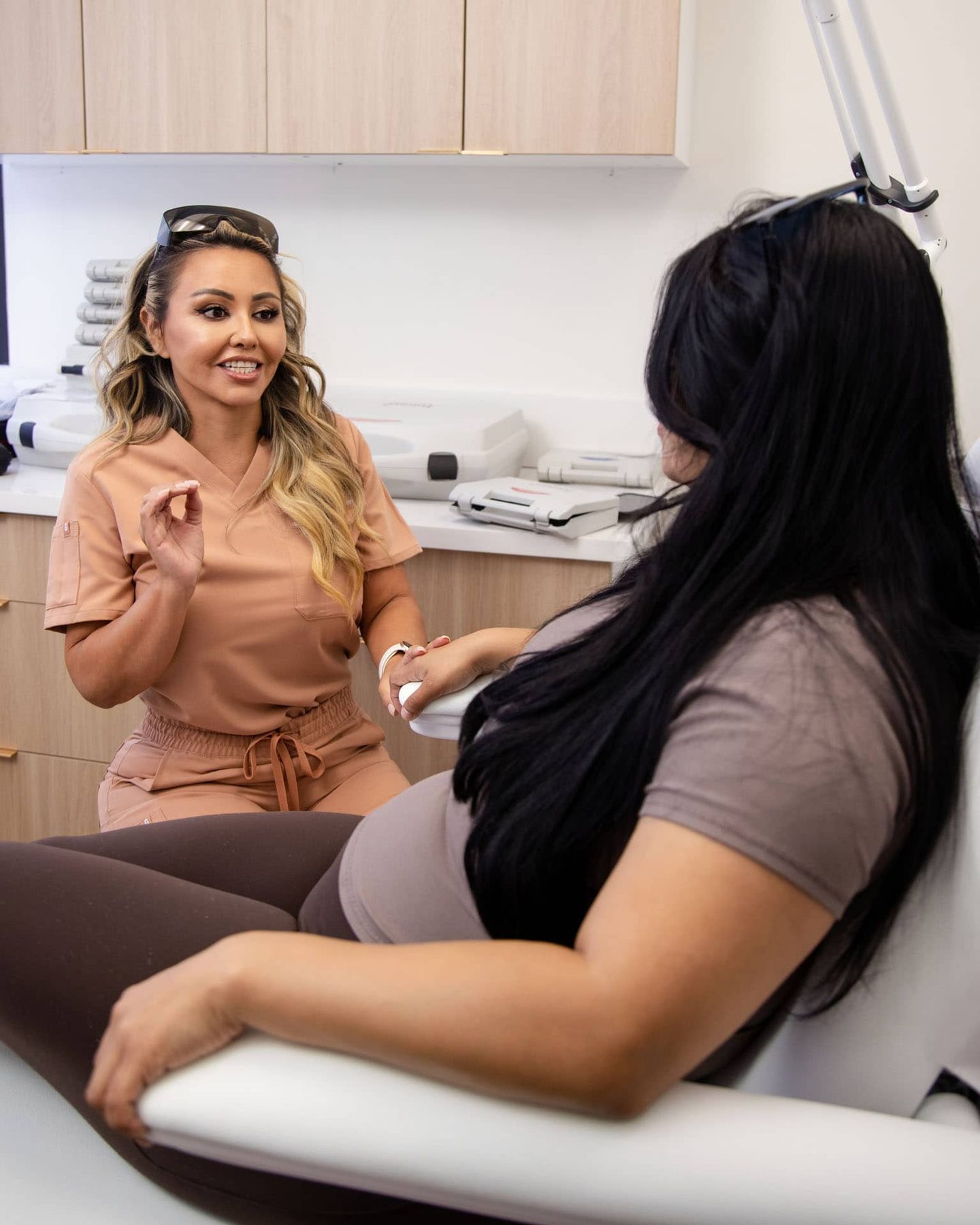
A good skin treatment should make sense on two levels. It should sound promising on paper, and it should also hold up in real life, under bright bathroom lighting, during a rushed morning routine, and a week later when the initial excitement has worn off. That is why Fotona 4D has earned so much attention among patients who want visible improvement without the social downtime that comes with more aggressive resurfacing.
For people searching for Fotona 4D Laser Facial (TimeWalker) Encino, CA, the appeal is usually straightforward. They want tighter skin, better texture, a fresher look around the mouth and jawline, and more radiance overall. Many are not ready for surgery. Many do not want injectables to carry the full burden. And many have already learned that a single “glow facial” can look nice for a few days but does not do much for laxity.
Fotona 4D sits in a useful middle ground. It is not a facelift, and it should never be sold as one. It is also not just a superficial polish. When performed well, it addresses deeper tissue heating, collagen remodeling, texture, and tone in a layered sequence. That layered approach is what makes it different from a lot of single-mode devices.
What Fotona 4D actually is
Fotona 4D is a multi-step laser treatment performed on the Fotona platform, often using the TimeWalker system. The “4D” refers to four complementary treatment modes that target different tissue depths and concerns. Instead of relying on one pass at one level, the provider works through a sequence designed to lift, tighten, and refine.
One of the more distinctive features is the intraoral portion, often called SmoothLiftin. That means part of the treatment is performed inside the mouth, usually along the cheeks and around the perioral area. For the right patient, this is especially useful because it can target tissue support in a way that external treatments alone cannot. Patients often come in bothered by etched lines around the mouth, mild sagging through the lower face, or the flattening that makes the midface look tired. This internal approach can help address those concerns without needles or surgery.
The other stages work from the outside, using controlled laser energy for deeper bulk heating, selective textural correction, and a final polishing pass. When all four parts are combined thoughtfully, the treatment can improve firmness, soften fine lines, sharpen skin quality, and restore some of that rested, light-reflective look patients often describe as a glow.
That word, glow, gets overused in aesthetics. Here, it usually means skin that looks smoother, more even, and less dull because light hits the surface more cleanly. It is less about shimmer and more about clarity.
Why it fits the Encino patient so well
Encino patients tend to be savvy. They often come in having read about radiofrequency microneedling, IPL, Fraxel, ultrasound tightening, and various “lunchtime” facials. Many are active, outdoors often, and living in a climate where cumulative sun exposure is a real factor. Even people who are diligent with sunscreen can show early pigment irregularity, crepey texture, and collagen loss sooner than they expect.
That Southern California pattern matters. A treatment that addresses both support and surface can be more useful than one that only brightens or only tightens. In practice, many patients in Encino are not looking for drastic change. They want to look less tired, less drawn, and less creased around the lower face. They want to keep moving, working, socializing, and seeing people without a week of hiding at home.
This is where Fotona 4D becomes attractive. Downtime is usually modest compared with more aggressive ablative resurfacing. The treatment can be customized. And it works well for the patient who wants meaningful improvement but still needs to be in meetings, school pickup, dinner plans, or on camera within a day or two.
The four layers, and why each one matters
A lot of laser marketing reduces complex treatments to catchy labels. The practical value comes from understanding what each stage is trying to accomplish.
The intraoral step is often the one patients remember most because it is unusual. It delivers heat from inside the mouth to stimulate collagen contraction and remodeling in the tissues that support the nasolabial area, perioral region, and lower face. This can be particularly helpful in patients who say, “My face feels like it is slowly sliding down,” even though they are not ready for a surgical lift.
The deeper heating phase, often associated with the PIANO mode, is about volume support and tightening. It gently raises tissue temperature over a larger area, which can help with skin laxity along the cheeks, jawline, and lower face. This phase is typically more comfortable than people expect because it is designed to be gradual rather than sharp.
Another phase, often referred to as FRAC3, targets textural irregularities more selectively. This can help with unevenness, enlarged pores, and certain fine lines. It is not the same as fully ablative resurfacing, so expectations need to stay realistic, but it can make the skin look more refined.
The final superficial polishing step can improve overall brightness and smoothness. Think of it as the finishing detail that helps the skin reflect light better and look fresher after the deeper work has been done.
What makes the protocol effective is not just the machine. It is the sequencing and judgment. Not every patient needs the same intensity at every step. Someone with thin, reactive skin needs a different hand than someone with thicker, oilier skin and more sun damage. This is where experience matters.
Skin concerns that respond best
Fotona 4D tends to perform best when the goals are moderate lifting, better elasticity, smoother texture, and a healthier overall appearance. It is especially useful for the patient who is seeing the first real signs of aging but is not yet dealing with severe redundancy or very deep folds.
The best candidates often have one or more of the following concerns:
- mild to moderate skin laxity in the cheeks, jawline, or neck
- fine lines around the mouth, eyes, or lower face
- dull, uneven skin texture that makes the complexion look tired
- enlarged pores or early textural roughness
- a desire for visible improvement with limited downtime
There are also patients who use it strategically. Someone may be happy with their fillers but want tighter skin so the face looks less puffy and more defined. Another patient may prefer to delay injectables and focus on collagen stimulation first. A third may be recovering from a period of stress, poor sleep, or weight fluctuation and simply want their skin to look stronger again.
Where Fotona 4D is less ideal is in cases of severe laxity, heavy jowling, or deep etched wrinkles that clearly need either surgery, more aggressive resurfacing, or a combination plan. It can still help, but the provider should be candid that improvement will be partial, not transformational.
What a treatment day feels like
Patients usually do better when they know what to expect in plain terms. Fotona 4D is often described as comfortable to very tolerable, though comfort depends on settings, sensitivity, and whether the patient is anxious to begin with.
The appointment typically starts with a clean face and careful photos. Good photography matters more than most people realize. Skin changes gradually, and memory is unreliable. People often forget what their lower face looked like six weeks earlier.
During the intraoral portion, the provider works inside the mouth with a handpiece. It can Fotona 4D Laser Facial (TimeWalker) Encino, CA feel warm and strange, but it is usually not the painful part. The external tightening passes feel like controlled heat. The more superficial textural passes can create more of a prickling or snapping sensation, depending on intensity. Some clinics use topical numbing, some do not, and some customize based on the patient and the plan for the day.
Afterward, the skin often looks pink to red, a bit warm, and sometimes slightly puffy. That can settle within hours or over a couple of days, depending on how assertive the session was. Some patients look presentable by the next day with tinted sunscreen. Others prefer a day or two before social events. It is smart not to schedule a first session right before a wedding, headshots, or an important appearance.
Results rarely arrive all at once
This is one of the most important points to get right. Fotona 4D can give some early brightness and a temporary tightening effect, but the more meaningful improvement develops over time. Collagen remodeling is gradual. Most patients need a series, and even those who love their first treatment often look better at eight to twelve weeks than they do at day three.
In a typical office setting, a provider may recommend anywhere from three to five sessions spaced several weeks apart, though plans vary depending on age, skin quality, and treatment goals. Maintenance treatments are common because skin keeps aging, sun keeps happening, and collagen does not stay fixed forever.
The patient who gets the best outcome is usually the one with steady expectations. They are not chasing overnight reinvention. They are building better skin. Over a few months, their face looks firmer, the mouth area softens a bit, the surface looks more polished, and people start saying they look rested.
That kind of response is often the sweet spot. Not “What did you have done?” but “You look really good lately.”
How it compares with other popular options
Patients in Encino often cross-shop laser treatments, microneedling, radiofrequency devices, and injectable plans. Fotona 4D stands out because it blends tightening and surface improvement in one protocol, but it is not automatically the best answer for everyone.
If someone’s main issue is brown spots and redness, an IPL or pigment-focused treatment may be more direct. If acne scars are the dominant concern, another resurfacing strategy could outperform it. If the concern is heavy neck laxity or significant jowling, surgery will still be the stronger option. And if volume loss is the biggest issue, a laser cannot replace what strategic filler or biostimulatory injectables can do.
What Fotona 4D does very well is treat that in-between patient. The one who says, “My skin feels looser, rougher, and more tired than it used to, and I want improvement without disappearing for a week.” In that zone, it can be a strong choice.
A practical example: a woman in her mid-40s with early lower-face laxity, lipstick lines, and a dull complexion may get a more balanced result from Fotona 4D than from filler alone. If she only adds filler, she may soften some folds but still look tired because the skin quality has not improved. On the other hand, if a 62-year-old patient has pronounced jowls and neck banding, the laser may provide refinement, but not enough lift to satisfy someone expecting a true structural change.
Downtime, aftercare, and the mistakes that can undercut results
Most patients can resume normal activity quickly, but “minimal downtime” should not be confused with “no care required.” The first week matters. Skin that has been heated and stimulated needs support, not punishment.
This is the advice that tends to matter most after treatment:
- avoid strong sun exposure and heat-heavy workouts for the period your provider recommends
- use bland, non-irritating skincare for a few days rather than acids, retinoids, or scrubs
- keep the skin well hydrated and protected with a reliable mineral or broad-spectrum sunscreen
- do not judge the result too early, especially if there is temporary swelling
- follow the timing of your treatment series rather than spacing sessions randomly
The biggest self-sabotage I see in aesthetic medicine is not dramatic, it is ordinary. A patient gets a good treatment, then goes hiking two days later with patchy sunscreen, restarts active skincare too soon, or waits four months instead of four weeks for the next session. None of those choices erase the treatment, but they chip away at momentum.
Encino’s climate is beautiful, and it is not forgiving to unprotected skin. If someone invests in collagen-stimulating laser work and still treats SPF like an optional extra, results never look as good as they should.
Is it safe for all skin types?
This is where nuance matters. Fotona technology can often be used across a range of skin types, but settings and treatment planning must be adjusted carefully. Darker skin tones can absolutely be treated in many cases, yet the provider needs to respect the risk of post-inflammatory hyperpigmentation and choose parameters appropriately.
That is why a proper consultation matters more than flashy before-and-after photos. Recent tanning, melasma history, active acne inflammation, cold sores, certain medications, impaired healing, and unrealistic expectations all need to be discussed before treatment. A thoughtful provider will sometimes delay treatment, pretreat the skin, or suggest a different modality if the timing or fit is off.
This is not a red flag. It is good medicine.
The role of combination treatment
Fotona 4D works well alone, but many of the best outcomes come from combination planning. Not piling on every available procedure, just combining intelligently.
For example, if someone has good skin tone but hollowing through the cheeks, a small amount of filler or biostimulatory injectable may complement the tightening effect beautifully. If another patient has redness and visible sun damage, a vascular or pigment treatment may be paired at a different time to improve color while Fotona handles texture and firmness. If neck laxity is mild, adding dedicated neck sessions or a second tightening modality may make sense.
The key is restraint. More is not always better in aesthetics. Better is better.
Cost, value, and how to think about the investment
Pricing for Fotona 4D Laser Facial (TimeWalker) Encino, CA varies by provider, treatment scope, and whether the session focuses only on the face or also includes the neck. Costs may be quoted per treatment or as a package series. In many markets, and especially in a high-demand area like Encino, patients should expect premium pricing from experienced practices with strong devices and skilled staff.
The smarter way to think about value is not price per session alone. It is whether the treatment is appropriate for your goals, whether the settings are individualized, and whether the provider has the judgment to tell you when this is not enough. A cheaper session that is too timid to produce change is not a bargain. Neither is an overly aggressive session that creates unnecessary irritation and no coherent long-term plan.
If someone wants the best return on the investment, they should ask clear questions. How many sessions are likely needed? What changes are realistic? What is the downtime in this office’s hands, not in generic marketing language? How does the provider tailor the treatment for thin skin, darker skin, or melasma-prone skin? Good answers tend to be specific, balanced, and free of miracle promises.
What makes a provider worth choosing
The machine matters. The person holding it matters more.
A strong provider understands facial aging three-dimensionally. They are not just chasing pores or brightness. They look at support, elasticity, movement, surface texture, and how all of that interacts with your anatomy. They can explain why your mouth area is aging differently from your cheeks. They know when to push harder and when not to. They understand that a 38-year-old with postpartum dullness is not the same patient as a 57-year-old with cumulative UV damage and visible laxity.
Patients often focus on credentials, which do matter, but consultation quality is just as revealing. If the discussion feels rushed, if expectations sound inflated, or if every concern somehow leads to the exact same treatment package, pause. Good aesthetic care rarely sounds scripted.
The bottom line for patients considering it in Encino
For the right person, Fotona 4D can be a very satisfying treatment. It offers a credible blend of tightening, texture refinement, and overall skin revitalization, especially for patients who want to look fresher without committing to surgery or significant downtime. It is particularly compelling for that common middle zone of aging, not severe enough for a facelift, no longer responsive to superficial facials alone.
The best candidates are realistic, consistent, and willing to think in terms of a series rather than a one-off event. They protect their skin afterward, maintain a sensible home routine, and understand that great aesthetic work often looks subtle week to week but meaningful month to month.
If you have been looking into Fotona 4D Laser Facial (TimeWalker) Encino, CA, the question is not simply whether it is popular or photogenic online. The real question is whether it matches your skin, your goals, and your tolerance for downtime. When the match is right, it can deliver exactly what many people are after, firmer skin, softer lines, and that healthier glow that looks natural because it is built from better skin quality, not camouflage.
OMNIA Wellness Center
16430 Ventura Blvd Ste 207, Encino, CA 91436
Phone: +1 818-386-8511
FAQ About Fotona 4D Laser Facial (TimeWalker) Encino, CA
What is a Fotona laser good for?
Fotona lasers support several different aesthetic protocols. The Fotona 4D facial uses two wavelengths and four treatment modes to address concerns such as fine lines, skin texture, and mild laxity. OMNIA Wellness Center offers the TimeWalker facial with an individual consultation. Suitability and likely improvement depend on the person's skin and goals; results are not guaranteed, and this treatment does not reproduce a surgical facelift.
How much does a Fotona laser treatment cost?
The cost depends on the treatment protocol, areas treated, number of sessions, and provider's assessment. Ask OMNIA Wellness Center for a current written quote that explains what is included, whether follow-up is included, and any proposed package terms. An individualized estimate is more useful than assuming that one advertised price applies to every facial treatment.
How much downtime is there after a Fotona laser procedure?
Recovery varies with the specific protocol and intensity. Fotona describes its 4D facial as having little to no downtime, but temporary redness or sensitivity can occur, and a stronger surface treatment can require more recovery. Ask the treating clinician what to expect from the planned settings, how to care for the skin afterward, and when to contact the clinic with concerns.